Why Copy-Paste Clinical Notes Put Your Practice at Risk
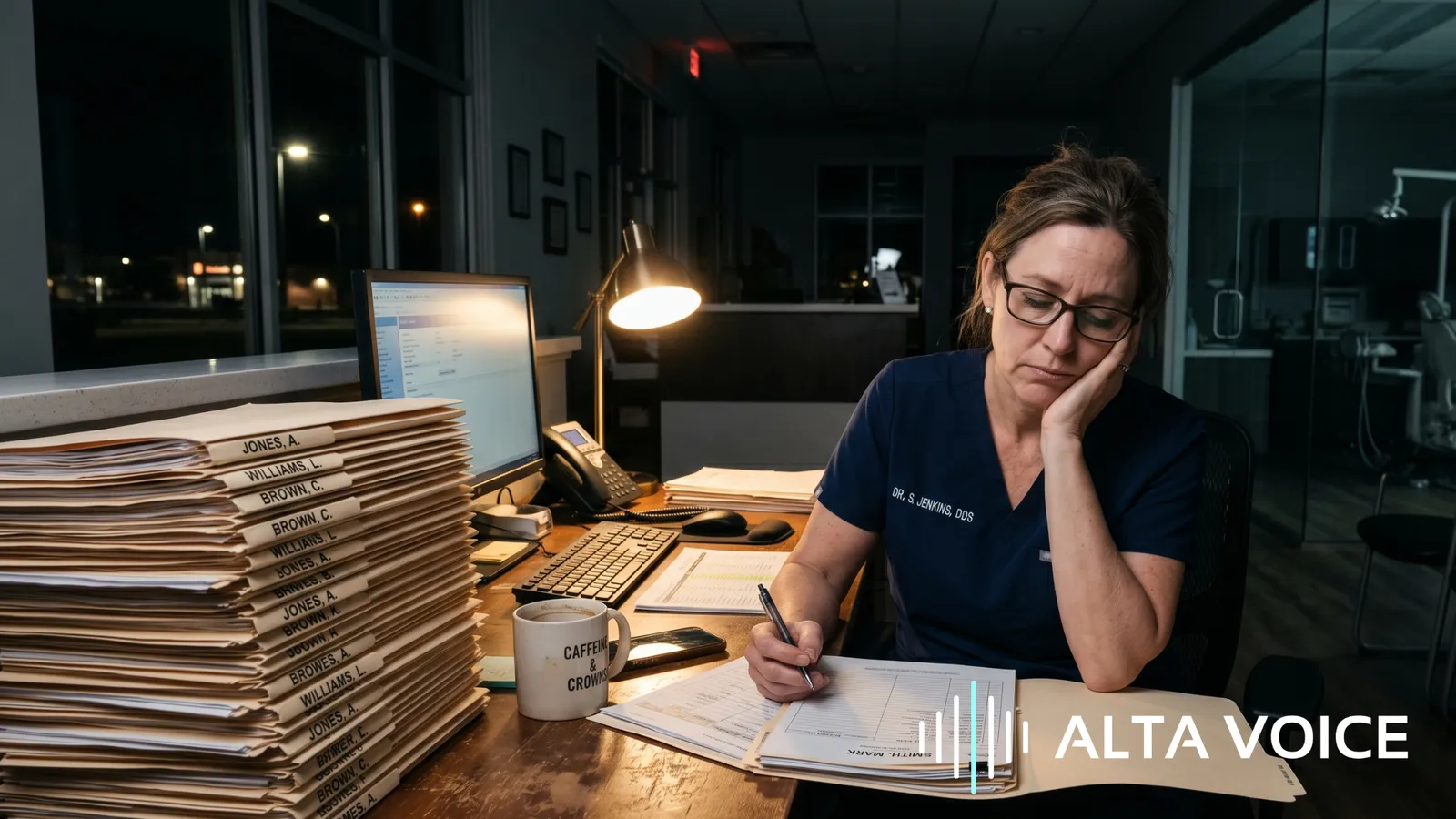
Every dental practice runs on templates. They're efficient, consistent, and familiar — which is exactly why they can quietly become one of the biggest liabilities in your practice.
When efficiency becomes a red flag
When a hygienist or dentist starts from the same template for every visit and makes only minimal changes, the result is a clinical record where notes from one appointment look nearly identical to the last. Insurance payers and auditors have a name for this: cloned documentation.
Cloning isn't just a compliance buzzword. The Office of Inspector General and major dental payers have explicitly flagged note cloning as a documentation practice that raises questions about whether the services billed were actually rendered. When every visit note reads the same, it becomes difficult to demonstrate that each appointment involved individualized clinical assessment.
The consequences can range from claim denials to formal audits. In worst-case scenarios involving Medicare or Medicaid, cloned notes have contributed to fraud and abuse investigations. It doesn't take intentional misconduct — just a template habit that no one thought to question.
Your notes are also your malpractice defense
Clinical notes are your best evidence when things go wrong. A patient complaint, a dental board inquiry, or a malpractice claim will go directly to the chart. What those notes say — and equally, what they don't say — shapes the outcome.
Templated notes tend to document what should happen at a given appointment type, not what did happen in that specific visit with that specific patient. When a plaintiff's attorney or expert witness sees that notes from six consecutive hygiene appointments are essentially identical, the argument writes itself: the provider wasn't paying close attention to this patient's individual condition.
Detailed, individualized notes aren't just a documentation best practice. They're the record that shows you saw the patient, assessed their condition, and made clinical judgments on that day. A template that rarely changes doesn't demonstrate any of that.
The clinical risk that's easy to miss
There's a subtler problem that doesn't show up in an audit. Templates are cognitive shortcuts. When you open a familiar pre-filled form, there's a natural pull to confirm the expected answers rather than observe and document what's actually in front of you.
For a hygienist working through a busy schedule, that can mean periodontal changes that should prompt a conversation get filed under "within normal limits." A patient's medication change that affects bleeding risk gets lost in a note that was mostly filled in before the appointment started. Early-stage findings that deserve documentation get skipped because the template doesn't have a natural place for them.
Periodontal disease in particular tends to progress gradually. Without notes that actually capture a patient's condition at each visit — not just confirmation that an appointment happened — early warning signs can be missed until the condition is significantly more advanced. That's a clinical failure, and it's also a documentation failure.
What individualized notes actually look like
Good clinical notes reflect what happened in that specific appointment. They capture:
- Current periodontal findings, including anything that changed or warrants follow-up
- The patient's reported symptoms, responses to treatment, and any concerns raised
- Clinical observations that differ from the previous visit
- Treatment decisions: what was done and why
- Any referrals, discussions, or patient education that occurred
That level of documentation doesn't have to be slow. Alta Notes generates structured SOAP notes from natural conversation during the appointment — the clinician talks, the AI listens, and the note reflects what actually happened rather than what a template assumes happened. Providers can still customize templates, but the output is individualized to the visit, not copied from the last one.
The goal is notes that tell the story of that patient's care — not a record that just proves they showed up.
Practices relying on copy-paste documentation are carrying risk most of them don't realize. If your notes tend to look the same visit after visit, it's worth taking seriously before an audit or a claim gives you a reason to.
Write notes that hold up
Download Guard Your Kingdom: How to Write Clinical Notes That Protect Your Practice →
What belongs in a defensible note, and the shortcuts that create risk. Free, no catch.
Book a free demo of Alta Voice and see a real note generated from the appointment.